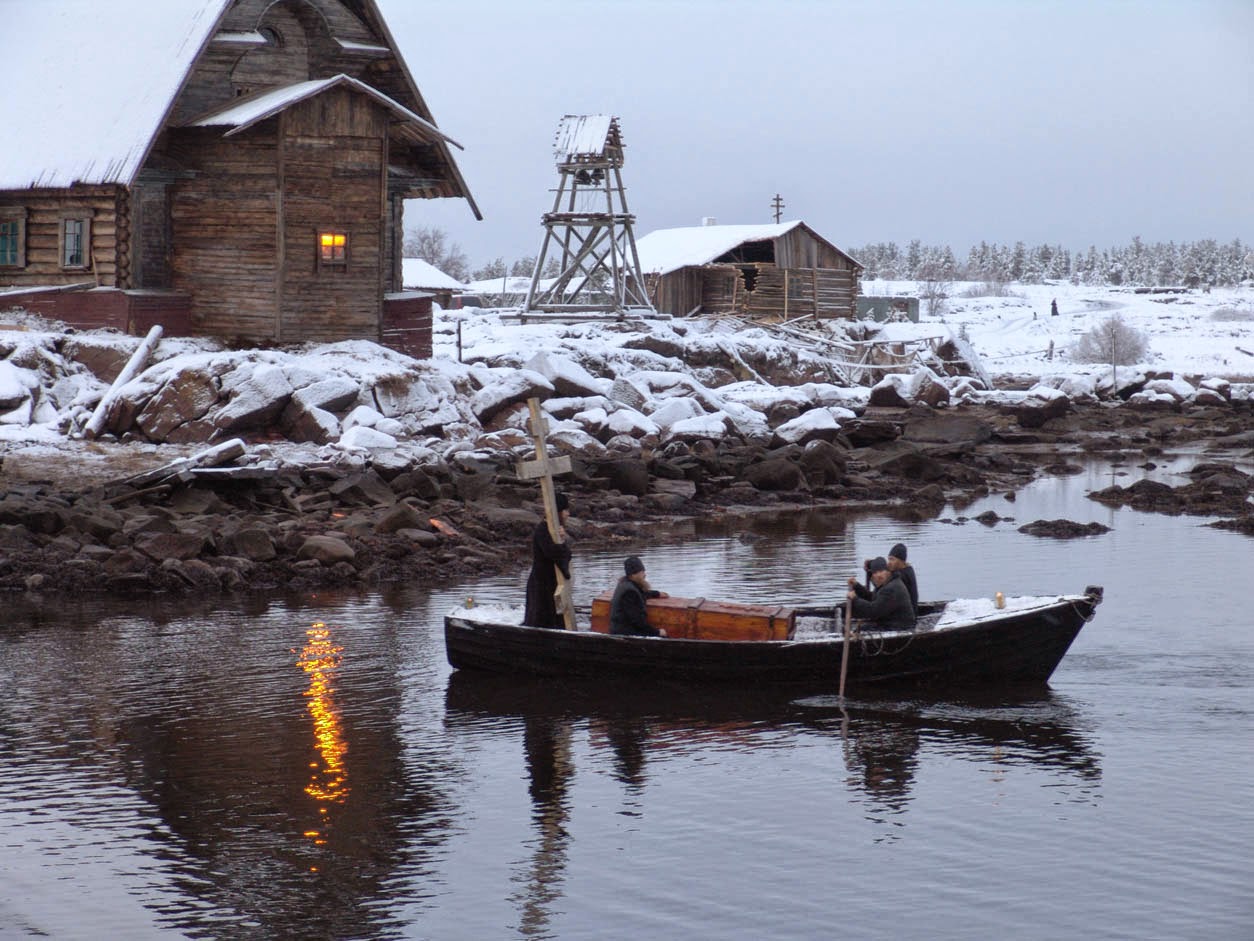
As sight is superior to all the other senses,
so prayer is more divine than all the other virtues....
Evagrios the Solitary
 - Τι κάνει η μητέρα σου;
- Δεν είναι καλά, Γέροντα. Ανεβάζει κατά διαστήματα ψηλό πυρετό και τότε χάνεται. Το δέρμα της γεμίζει πληγές και τις νύχτες πονάει.
- Ξέρεις; Αυτοί είναι μάρτυρες· αν δεν είναι ολόκληροι μάρτυρες, είναι μισοί.
- Και όλη η ζωή της, Γέροντα, ήταν μια ταλαιπωρία.
- Επομένως ο μισθός της θα είναι διπλός. Πόσα έχει να λάβη! Τον Παράδεισο τον έχει εξασφαλισμένο. Όταν ο Χριστός βλέπη ότι κάποιος αντέχει μια βαρειά αρρώστια, του την δίνει, ώστε με την λίγη ταλαιπωρία στην επίγεια ζωή να ανταμειφθή πολύ στην ουράνια, την αιώνια, ζωή. Υποφέρει εδώ, αλλά θα ανταμειφθή εκεί, στην άλλη ζωή, γιατί υπάρχει Παράδεισος, υπάρχει και ανταμοιβή.
Σήμερα μου είπε μια νεφροπαθής που χρόνια τώρα κάνει αιμοκάθαρση: «Παππούλη, σταυρώστε, σας παρακαλώ, το χέρι μου. Οι φλέβες είναι όλο πληγές και δεν μπορώ να κάνω αιμοκάθαρση». «Αυτές οι πληγές, της είπα, στην άλλη ζωή θα είναι διαμάντια μεγαλύτερης αξίας από τα διαμάντια αυτού του κόσμου. Πόσα χρόνια κάνεις αιμοκάθαρση;» «Δώδεκα», μου λέει. «Δηλαδή δικαιούσαι ένα ‘’εφάπαξ’’ και μία σύνταξη μειωμένη», της είπα. Μετά μου δείχνει μια πληγή στο άλλο χέρι και μου λέει: «»Παππούλη, αυτή η πληγή δεν κλείνει· φαίνεται το κόκκαλο». «Ναι, αλλά από εκεί μέσα φαίνεται ο Ουρανός, της λέω. Άντε, καλή υπομονή. Εύχομαι ο Χριστός να σου αυξάνη την αγάπη Του, για να ξεχνιέται ο πόνος σου. Φυσικά υπάρχει και η άλλη ευχή, να εξαλειφθούν οι πόνοι, αλλά τότε εξαλείφεται και ο πολύ μισθός. Επομένως, η προηγούμενη ευχή είναι καλύτερη». Παρηγορήθηκε η καημένη.
Όταν το σώμα δοκιμάζεται, τότε η ψυχή αγιάζεται. Με την αρρώστια πονάει το σώμα μας, το χωματόκτιστο αυτό σπίτι μας, αλλά έτσι θα αγάλλεται αιώνια ο νοικοκύρης του, η ψυχή μας, στο ουράνιο παλατάκι που μας ετοιμάζει ο Χριστός. Με αυτήν την πνευματική λογική, που είναι παράλογη για τους κοσμικούς, χαίρομαι και εγώ και καμαρώνω για τις σωματικές βλάβες που έχω. Το μόνο που δεν σκέφτομαι είναι ότι θα έχω ουράνια ανταμοιβή. Καταλαβαίνω ότι εξοφλώ την αχαριστία μου στον Θεό, αφού δεν έχω ανταποκριθή στις μεγάλες Του δωρεές και ευεργεσίες. Γιατί στην ζωή μου όλα γλέντι είναι· και η καλογερική και οι αρρώστιες που περνώ. Όλο φιλανθρωπίες μου κάνει ο Θεός και όλο οικονομίες. Ευχηθήτε όμως να μη με ξοφλάη με αυτά σ’ αυτήν την ζωή, γιατί τότε αλλοίμονό μου! Μεγάλη τιμή μου έκανε ο Χριστός να υπέφερα ακόμη περισσότερο την αγάπη Του, αρκεί να με ενίσχυε, ώστε να αντέχω, και μισθό δεν θέλω.
Ο άνθρωπος, όταν είναι τελείως καλά στην υγεία του, δεν είναι καλά. Καλύτερα να έχη κάτι. Εγώ, όσο ωφελήθηκα από την αρρώστια, δεν ωφελήθηκα από όλη την άσκηση που είχα κάνει μέχρι τότε. Γι’ αυτό λέω, αν δεν έχη κανείς υποχρεώσεις, να προτιμά αρρώστιες παρά υγεία. Από την υγεία του είναι χρεώστης, ενώ από την αρρώστια, όταν την αντιμετωπίζη με υπομονή, έχει να λάβη. Όταν ήμουν στο Κοινόβιο[, είχε έρθει μια φορά ένας άγιος Επίσκοπος, πολύ γέρος, ονόματι Ιερόθεος, που ασκήτευε στην Σκήτη της Αγίας Άννης. Την ώρα που έφευγε, όπως πήγε να ανεβή στο ζώο, τραβήχτηκε το παντελόνι του και φάνηκαν τα πρησμένα του πόδια. Οι Πατέρες που πήγαν να τον βοηθήσουν, τα είδαν και τρόμαξαν. Εκείνος το κατάλαβε και τους είπε: «Αυτά είναι τα καλύτερα δώρα που μου έδωσε ο Θεός. Τον παρακαλώ να μη μου τα πάρη».
Αγιος Παϊσιος
πηγη

2009, on November 19, in the church of the Holy Apostle Thomas, north of Moscow, Priest Daniel Sysoev was killed. Below are Seraphim Maamdi’s memories of Father Daniel.
My acquaintance with Fr. Daniel was God’s mercy toward me.
When I watched his disputes with the Muslims and heard his sermons, there arose in me a great desire to get to know him. At that time I was unaware that he had a missionary school. Then I became acquainted with a student-missionary of his, who also spoke with Father about me. Fr. Daniel gladly agreed to make my acquaintance.
When I met him I was impressed by his burning faith and the brave spirit which he was able to share with those around him. I was also amazed by his knowledge of the fundamentals of the faith and his wondrous exgetical gift, by his knowledge of the Holy Scriptures and the interpretations of the Holy Fathers — all of this made an impression on me and inspired me to go by the same path.
Of course, I was also impressed by his love for the Lord, his zeal for His service. He very much loved to preach about Christ; and I can say for myself that the greatest commandment that I received from my preceptor is this: “The purpose of a missionary is to make the whole world love Christ.”
I remember that Father said to me, “Seraphim! There is a large Kurdish population in Saratov. Vladyka blessed us to go there. So — will you go?” I hedge a little and aid that I still wasn’t ready, that I was a bit intimidated. Of course, I was still not very knowledgeable about of luminous faith. At that time I truly wasn’t ready yet, but after his martyric end, my brother and I, with the blessing of Bishop Longin, made the first missionary journey to Saratov.
He called me to bravery and said many things that I will remember for my entire life, especially this: “If a man sets out on the path of missionary, there is no way back. The Lord will demand of such people the talent that they received and buried.” And this: “Prayer is the most important thing in the missionary life: unceasing prayer is first, last and central. It is an essential part of the life of the missionary. The study of the Holy Scriptures is one of three chief activities of the missionary. And, as you understand, all of this is in the liturgy. Therefore, the more you go to services, the more success awaits you in your mission.” And also: “We preach the Gospel for the sake of God, before Him, and for the salvation of people.”
I told him that our people are simply fed up with religious lies, that they are going to the torments of hell without murmuring. He strove by all means to help us in missionary work among the Kurds. First of all he gave us books of the New Testament in the Kurdish language. (By the way, I learned to read in Kurdish from that very book which Fr.Daniel gave me.) He told us to assemble the Kurds in order to read passages to them. He also applied his abilities to the task of translation. Such concern amazed and inspired me.  I remember once we were discussing the possibility of a missionary journey to the Iraqi Kurds (who are in a center of Yazidism), so that there also the preaching of Christ might conquer the local Kurdish population. I said that I knew our laguage only poorly, and that moreover there is a different dialect there (Sorani), and that I was sure to receive a martyr’s crown there, since the radicalism of the Iraqis is known to the whole world.
Fr. Daniel told me to fear nothing, that the Muslims had threatened him personally fourteen times, saying that they would behead him — but should we hold back out of fear? The important thing, he said, is to firmly and bravely bear the Word of God, and to be witnesses of Christ, lest we forget that this is a great honor. (I believe that, by Fr. Daniel’s prayers, the time will come when the Word of God will be preached there.)
He often said spoke of martrydom, as if he knew that the Lord would glorify him in precisely this way. And behold, the Lord made him worthy of a martyr’s crown. The ancient Christians rejoiced in this situation, but we were saddened.
I remember that when I learned of his death I was very grieved and thought, “If only he could have had a few more years.” But later I acknowledged that the will of God is in all things. I humbled myself and glorified God, for now we have an intercessor in heaven, the hieromartyr Daniel, who prays for us and helps us in our missionary endeavors. I would even say that he is continuing his missionary work.
Not long before his death there was a striking event. One one of the Muslim forums, I found a photo of Fr. Daniel. The Muslisms, with the help of photoshop, had given him the clothing of a medieval crusader, and a sword, all against the background of a certain church. This made me laugh quite a bit, and I decided to show Fr. Daniel. We were very amused and Fr Daniel asked me to put it in a frame, so that I could remember him by it.
After his martyric end, when I was burdened with deep sorrow, remembering him, I looked at the photo from my personal archive. When I saw the photo, I was simply stunned. I became apparent that the church in front of which he was standing in the photograph was the same Church of the Apostles Peter and Paul in Yasenevo, where his funeral was held!
After his death, many people became interested in his labors, and gradually they came to Christ. I personally know many people who came to the Church through his books.
I remember when his honorable body was in the Church, a great number of people came to bid farewell to him, and many of them had a feeling as if a great holy thing had been brought. Peope with their children piously venerated the honorable relics of the saint. It was amazing, but that was how God disposed the people. Before long, Orthodox people from Serbia, Greece, the USA and other countries began to venerate Fr. Daniel as a hieromartyr. As the Lord says: “I will glorify them that glorify me.” (I Kings 2:30)

Everyone wondered at his love and fatherly concern. I remember our first missionary journey to Moscow. Father served a moleben, gave counsels and admonitions. We opened a map of Moscow and divided it up by regions. We got a very good education, so that we would be able to preach the Gospel and be ready to give answer about our hope with meekness and piety. (I Pet. 3:15)
Our last meeting was deeply moving. On the day before his martyric end, the lecture was led by Yuri Maksimov, who later became Deacon George. After the lecture we discussed many things, particularly the questions of Ouranopolitism and Nationalism. Father said that our citizenship is in heaven (Phil. 3:20), and that a Christian must not be attached to anything earthly. We are on the earth as if in a guest house, but our home is there, where Christ is at the right hand of the Father. His last lecture was about God the Father. He gave this lecture on the day before his death.
Just a few months before his death I asked Fr. Daniel’s blessing to establish two networking groups. One was about himself (in order to publish his lectures and articles), while the other was for doing missionary work among muslims. Amazingly, after his death the groups were filled with people, and many acknowledged that they started coming to the Church by reading hearing his lectures and reading his books.
I received three blessings from Fr. Daniel: for missionary work, for frequent Communion (every Sunday), and just a few days before his death I asked his blessing to write a book.
Yazidism has a very distorted view of Christianity, and Father counseled me to deal with this problem. I believe that he is praying for me and helping me to write apologetic works. I feel his help. It happens that a question arises, and you listen to his lectures and immediately find the answers to your questions.
I am truly thankful to the Lord that he vouchsafed me to study with the Hieromartyr Daniel. I finished his one-year missionary course.  If I were now to forsake missionary activity, this would be very base and unjust toward him, since he gave his life for Christ, giving us an example of how serious he was, that he loved not his own life, even unto death (Rev. 12:11). As one of the great missionaries said, missionary work is a truly holy work, equal to that of the apostles. Blessed is the one whom the Lord choses and places in such service (St. Innocent of Moscow).
When he preached to non-Christians and the heterodox, he manifest an exalted love for them. What could be more important than the salvation of a human soul? Because of this love he was made worthy of a martyr’s crown. It is wondrous, but it happened just as the Lord said: “There will come a time when everyone who kills you will think that he is serving God.” (John 16:2)
As His Holiness Patriarch Tikhon of Moscow and All Russia said in his condolences on the death of Fr Daniel, “The Lord has called His faithful servant to himself, having given him the ability to become a confessor of the faith and a martyr of the Gospel.”
And Paul admonishes us: “Remember your preceptors, who preached the word of God to you and, looking to their end, imitate their faith.” (Hebrews 13:7)
He opened to the Holy Scriptures to me in the light of the Holy Fathers, made me wise in the faith of Christ, and also taught me to bear the Word of God. Now he is praying for us at the throne of God, so that we might painstakingly bear the Gospel of the Kingdom of God. Now is the acceptable time. We must gather all the children of God into unity of faith, for many have forgotten the chief commandment of the Gospel, to preach the Gospel to all creatures. (Mk. 16:15) In the person of the Apostles, the Lord commanded all Christians: “Go forth and teach all nations.” (Matt. 28:19) We must convince all people to come to the Truth, and we must bring them to Him. This is the will of God.
As St. John Chrysostom said: “It is a great virtue to boldly and openly preach Christ and to prefer this to everything else. It is so great and wondrous that the Only-Begotten Son of God confesses such a man before His Father, although this reward is not proportionate. You preach on the earth, and He preaches in the heavens; You before men, and He before His father and all the angels.”
source

Vukašin of Klepci was a Serbian Orthodox Christian from Herzegovina who was martyred by fascists during World War II for refusing to acknowledge the Ustashi leader.
Little is known about the life of Saint Vukasin. What is known about him is from the event resulting in his martyrdom. He was born in the village of Klepci, in Herzegovina, at the turn of the nineteenth/twentieth century. At the beginning of World War II, members of the Croatian fascist Ustašas arrested him and transported him, together with other Serbs of that region, into the notorious concentration camp of Jasenovac (the number of victims at this camp have been estimated to be at least 700,000). After horrible days full of torture, Vukašin was brought before an Ustashe soldier who was supposed to execute him, but who said he would spare his life if Vukasin cried loudly: "Long live Ante Pavelic!". Ante Pavelic was the leader of Ustashe. Vukasin, who saw a knife in the hands of the soldier, replied calmly: "My child, you do what you must", and refused to obey the soldier`s request. The Ustashe soldier brandished his knife and cut off Vukasin`s ear. The soldier then repeated his request. Vukasin repeated his answer. The soldier then cut off Vukašin's other ear, followed by his nose, and then scarred Vukasin`s face. Next his tongue was cut. After repeating the request to Vukasin to utter the vicious words and hail the Head of Ustaše (Ante Pavelic), Vukasin once again calmly replied: "My child, you do what you must". Distracted, the soldier eventually killed him, and afterwards went mad.
At the regular session of the Holy Assembly of Bishops of the Serbian Orthodox Church in 1998, Vukašin, from the Klepci village, was entered into the List of Names of the Serbian Orthodox Church as a martyr. His feast day is May 16.
Source

It is said that there are two things most Greek cooks do not go anywhere without: a knife and an icon of St. Euphrosynos. For Orthodox Christians, St. Euphrosynos the Cook is the patron saint of cooks and chefs. This being the case, it is traditional for Orthodox Christians to have in their kitchens an icon of St. Euphrosynos. Those unaware of St. Euphrosynos typically follow the western practice of hanging a Leonardo DaVinci inspired "Last Supper" icon. For Orthodox, however, the depiction of the "Last Supper" is more appropriately called the "Mystical Supper", since it was primarily a liturgical event which is often reserved for depiction in the Holy Altar area of a church.
The life of St. Euphrosynos, who is commemorated every year on September 11th, can be read here, and at the bottom of this link is a prayer to St. Euphrosynos traditionally said before cooking.

Chef's Hats and Orthodox Monastics
It is worth noting, since St. Euphrosynos was an Orthodox monastic on Mount Athos, that tall white chef hats (toque blanche), according to many, have their origins in the black tall hats (kalimavkion) of Greek Orthodox monastics. It is said that in the middle ages, Greek monks who prepared food in the monasteries wore tall white hats so that they could be distinguished from the normal monks who wore tall black hats.
source

Υπάρχουν, αγαπητέ, δύο τρόποι προσευχής: ο ένας είναι της με ταπεινοφροσύνη δοξολογίας και ο δεύτερος, που ακολουθεί, της αιτήσεως. Όταν λοιπόν προσεύχεσαι, μην αρχίζεις αμέσως με αίτηση αλλιώς γίνεται ύποπτη η προαίρεσή σου, ότι δηλαδή προσεύχεσαι στο Θεό πιεζόμενος από ανάγκη.
Όταν λοιπόν αρχίσεις την προσευχή, άφησε τον εαυτό σου κατά μέρος, τη γυναίκα, τα παιδιά σου· άφησε τη γη, πέρασε πάνω από τον ουρανό, άφησε όλη την κτίση, ορατή και αόρατη, και άρχισε από τη δοξολογία του Ποιητή των όλων. Και όταν τον δοξολογείς, να μην περιπλανάται ο νους σου εδώ κι εκεί, ούτε να μυθολογείς όπως οι εθνικοί, αλλά διαλέγοντας από τις άγιες Γραφές να λέγεις: «Σε ευλογώ, Κύριε, τον μακρόθυμο, τον ανεξίκακο που μακροθυμείς κάθε μέρα για τα πλημμελήματά μου και που έδωσες σε όλους μας το δικαίωμα της μετανοίας. Γι’ αυτό σιωπάς και μας ανέχεσαι, Κύριε, για να Σε δοξολογούμε που οικονομείς τη σωτηρία του γένους μας, άλλοτε με το φόβο, άλλοτε με συμβουλές, άλλοτε με τους προφήτες, και τελευταία με την επίσκεψή Σου, την παρουσία του Χριστού Σου. Διότι «Συ μας έπλασες και όχι εμείς . Συ είσαι ο Θεός μας» (Ψαλμ. 99, 3).
Και όταν δοξολογήσεις από τις Γραφές, όπως μπορείς, και αναπέμψεις αίνο στο Θεό, τότε άρχισε με ταπεινοφροσύνη να λες: «Εγώ, Κύριε, δεν είμαι άξιος να μιλήσω μαζί Σου, διότι είμαι πολύ αμαρτωλός». Και αν ακόμη δεν σε ελέγχει η συνείδησή σου για κάτι κακό, έτσι πρέπει να λες· διότι κανείς δεν είναι αναμάρτητος, παρά μόνο ο Θεός- και διότι ενώ κάνουμε πολλές αμαρτίες, τις περισσότερες ούτε καν τις συνειδητοποιούμε. Όταν λοιπόν απευθύνεις λόγο ταπεινοφροσύνης και πεις: «Σε ευχαριστώ, Κύριε, που μακροθύμησες για τα παραπτώματά μου και μέχρι τώρα με άφησες ατιμώρητο, διότι εγώ ήμουν άξιος να πάθω πολλά δεινά και να απορριφθώ από το πρόσωπό σου, αλλά η ανεξίκακη φιλανθρωπία σου μακροθύμησε σε μένα· Σε ευχαριστώ, αν και δεν επαρκώ να ευχαριστήσω την ανεξικακία σου…». Και τότε, όταν συμπληρώσεις τα δύο αυτά μέρη, της δοξολογίας και της ταπεινοφροσύνης, ζήτησε ό,τι οφείλεις να ζητήσεις: όχι πλούτο, όπως είπα πριν, όχι επίγεια δόξα, όχι σωματική υγεία. Διότι αυτός που σε έπλασε ενδιαφέρεται για τη σωτηρία σου και γνωρίζει τί συμφέρει στον καθένα, να υγιαίνει ή να ασθενεί -αλλά ζήτησε, όπως προστάχθηκες, τη βασιλεία του Θεού. Διότι, όπως είπα, αυτός θα φροντίσει για την υγεία του σώματος. Επειδή ο βασιλιάς μας έχει πολλές αξιώσεις από εμάς και αγανακτεί εάν κάποιος του ζητήσει κάτι μικρό, εάν του ζητήσει πράγματα που δεν του αρμόζουν. Μη λοιπόν προκαλέσεις με την προσευχή σου την αγανάκτηση του Θεού, αλλά ζήτησε για τον εαυτό σου πράγματα αντάξια του βασιλέως Θεού. Όταν δε ζητάς πράγματα αντάξια του Θεού, μη σταματήσεις μέχρι να τα λάβεις. Διότι αυτό εννοούσε ο Κύριος στο Ευαγγέλιο λέγοντας: «Ποιός από σας θα είχε φίλο και πηγαίνοντας σ’ αυτόν μεσάνυκτα θα του έλεγε: φίλε, δάνεισέ μου τρία ψωμιά, επειδή με επισκέφθηκε φίλος από ταξίδι και δεν έχω τί να του δώσω να φάει, κι εκείνος θα αποκρινόταν από μέσα: μη με ενοχλείς, επειδή η πόρτα έχει ήδη κλείσει και τα παιδιά μου είναι μαζί μου στο κρεβάτι, δεν μπορώ να σηκωθώ να σου δώσω; Σας λέω, ακόμη και εάν δεν σηκωθεί να του δώσει επειδή είναι φίλος του, έστω για την αναίδειά του θα σηκωθεί και θα του δώσει όσα χρειάζεται» (Λουκ. 11, 5-8). Μην πεις λοιπόν είμαι αμαρτωλός και δεν θα εισακουστώ. Διότι ακριβώς για να μην απελπίζεσαι, είπε «και αν δεν του δώσει επειδή είναι φίλος του, έστω για την αναίδειά του…».
Αγίου Μεγάλου Βασιλείου, «Ο κόσμος της Προσευχής», εκδ. Κάλαμος

Divine Worship is a well-known yet still quite unknown, wonderful, secret world. In the secret corners of this spiritual Paradise planted by the hands our Holy Fathers, one finds whatever is most beautiful, most noble and most godly and begotten of man’s soul growing. Here one finds the heavenly harmony played upon the chords of noble human hearts, secret lyres of the Holy Spirit, for the glory of the Lord.
In the Divine Worship one finds the sprouts of human words, treasures accumulated during his secret dialogue with his Saviour, the “fruit of the lips” offered as “a sweet savour” before the throne of the Lord.
The Church believes that the richness of its worship has within it the dew of the Holy Spirit. Thus a cycle is generated: worshiping the Lord with the liturgical forms handed down to him, man learns how to offer the genuine worship from them; then the fervent yearning is sown in his heart for this genuine worship so that he worships again “in the Holy Spirit”.

Deep down, the worship of the Lord is not a work of man. It is a mystery, which cannot be measured or defined by human standards. Divine Worship is an innermost function of the mystical body of Christ, the Church. It is the overflow of the soul towards the Father which is accomplished through his beloved Son in the Holy Spirit. No one can call God his Father unless the Holy Spirit teaches him how. It is this Spirit who con celebrates and glorifies together with the Church ‘for all days’.
http://agapienxristou.blogspot.ca/2013/05/divine-worship.html


 - Τι κάνει η μητέρα σου;
 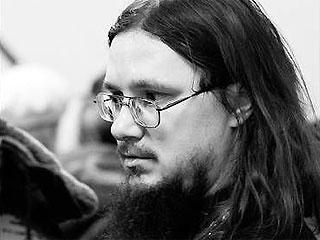 I remember once we were discussing the possibility of a missionary journey to the Iraqi Kurds (who are in a center of Yazidism), so that there also the preaching of Christ might conquer the local Kurdish population. I said that I knew our laguage only poorly, and that moreover there is a different dialect there (Sorani), and that I was sure to receive a martyr’s crown there, since the radicalism of the Iraqis is known to the whole world.
 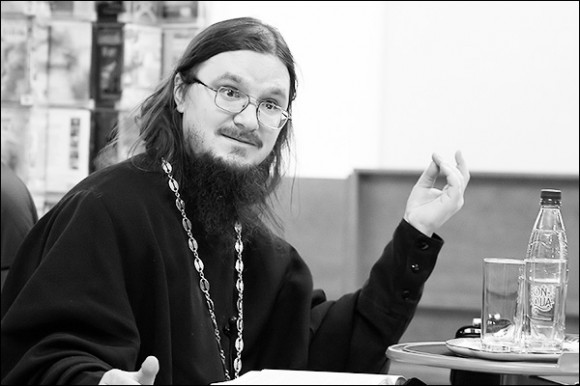 If I were now to forsake missionary activity, this would be very base and unjust toward him, since he gave his life for Christ, giving us an example of how serious he was, that he loved not his own life, even unto death (Rev. 12:11). As one of the great missionaries said, missionary work is a truly holy work, equal to that of the apostles. Blessed is the one whom the Lord choses and places in such service (St. Innocent of Moscow).