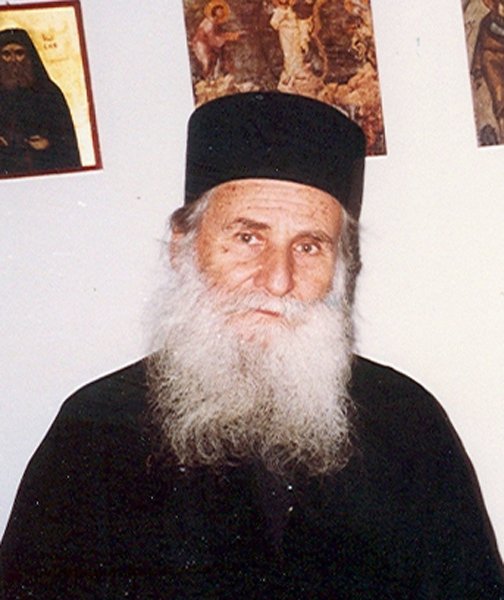
To my dearest A. and M., I send my fatherly prayers.
I have received both the letter and the goods, and we are most grateful to you, as is Fr Athanasios [now Metropolitan of Limassol], who received the phelonion. Let’s see who will get tired first, us from receiving, or you from sending.
You have clearly asked about the issue of obedience to the holy fathers and I say the following: no one on this earth is absolved of this duty of being obedient, no matter how high he stands or what his status is, even those in the Church hierarchy. Not even Paul was absolved of this duty by the fullness of grace which resided in him. We hear him say, ”Then after three years I went up to Jerusalem to see Peter, and remained with him fifteen days” . And he continues:”Then after fourteen years, I went up again to Jerusalem… by revelation, and communicated to them that gospel which I preach… lest by any means I might run, or had run, in vain” .
Here we find Paul, who was given not a command but an order on what to do and say, confessing and accepting advice. So, who is exempt from this duty? No one, no matter where he is, is acknowledged by Grace unless he accepts advice.
Moses says, ”Ask your father and he will relate to you; your elders, and they will tell you” . ”We see in part, we know in part, and we prophesy in part” , says Paul, and so perfection is seen as “in a mirror, dimly” . All this shows how deficient and weak man is. “We have this treasure in earthen vessels, that the excellence of the power may be of God and not of us”.
Here we see the moderation of our fathers manifested, who always regarded it their inviolable duty to “take counsel from one another”. This Grace of God has never been revealed to those who live by their own design and auspices rather than in obedience to elder spiritual fathers. “To the one that is alone, beware” ; and likewise “it is not good for man to be alone” . And again, “A cord of three strands is not quickly broken”, but “if a man falls alone, who will help him up? ”
The counsel for rational beings is to actually practice humility, without which nothing can be done…
I pray that the remainder of the days [of Great Lent] be peaceful and without hindrance and that you may receive the whole of grace on the great day of Pascha.
With all my love in Christ,
Your poor father,
Elder Joseph of Vatopaidi
http://agapienxristou.blogspot.ca/2013/09/obedience-elder-joseph-of-vatopaidi.html

A certain monk had a struggle against defiled lusts. He got up and night and went to the elder and confessed to him the thoughts that were drawing him to defilement. The elder calmed him and the brother, have benefited, returned to his cell. But the struggle rose up against him again, and again he went to the elder. He did this a few times. The elder did not grieve him, but said, “Don’t give up, but it is better that you come to me whenever the demon disturbs you, and repel him by exposing your thoughts. By such a repulsion he will pass you by. For nothing so burns the demon of defilement as the revelation of his deeds [in confession before a spiritual father]. And nothing makes him so happy as the hiding of thoughts.” Thus the brother came to the elder eleven times, repelling his thoughts, and the brother’s temptation ceased.
Ancient Patericon
ΑΓΙΑ ΚΑΙ ΜΕΓΑΛΗ ΤΕΣΣΑΡΑΚΟΣΤΗ: Μια περίοδος του έτους κατά την οποία νηστεύουμε. Αποτελείται από δύο περιόδους νηστείας. Η πρώτη έχει έξι εβδομάδες (6 επί 7 ημέρες) και η δεύτερη είναι η Μεγάλη Εβδομάδα. Κατά τη διάρκειά της η νηστεία είναι αρκετά αυστηρή.
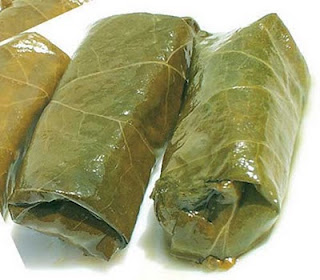 ΑΛΑΔΟ ΓΕΥΜΑ: Συνήθως Τετάρτη και Παρασκευή τρώμε φαγητό, χωρίς προσθήκη λαδιού. Πολλοί τρώνε λάδι μόνο τα Σαββατοκύριακα.
ΑΠΟΔΕΙΠΝΟ ΜΕΓΑ: Ακολουθία της Εκκλησίας, η οποίας διαβάζεται στα μοναστήρια μετά το δείπνο. Πολλοί χριστιανοί την διαβάζουν πριν από τον βραδινό ύπνο. Κατά την περίοδο της Αγίας και Μεγάλης Τεσσαρακοστής διαβάζεται κάθε απόγευμα και στους ενοριακούς Ναούς.
ΑΡΤΥΣΙΜΕΣ ΤΡΟΦΕΣ: Τροφές που δεν επιτρέπονται κατά την περίοδο της νηστείας. Βασικά πρόκειται για το κρέας και όλα τα γαλακτοκομικά. Εκτός από εξαιρέσεις και το ψάρι.
ΕΝΑΤΗ: Η έκφραση είναι «κάνω ενάτη». Σε πολλά μοναστήρια, κατά την περίοδο της Αγίας και Μεγάλης Τεσσαρακοστής παρατίθεται τράπεζα μόνο μία φορά την ημέρα, μετά τις τρεις το απόγευμα. Κατά το βυζαντινό τρόπο μέτρησης των ωρών η πρώτη ώρα της ημέρας ξεκινά με την ανατολή του ήλιου. Συνεπώς η ενάτη είναι γύρω στις τρεις το απόγευμα.
ΕΥΑΓΓΕΛΙΣΜΟΣ ΤΗΣ ΘΕΟΤΟΚΟΥ: Γιορτή ιδιαίτερης σημασίας για της Εκκλησία και την υπόθεση της σωτηρίας του ανθρώπου. Όποια μέρα και αν πέσει τελείται Θ. Ευχαριστία και τρώγεται ψάρι.
ΚΑΤΑΛΥΣΙΣ ΙΧΘΥΟΣ: Σε εξαιρετικές περιπτώσεις επιβάλλεται να φάμε ψάρι ακόμη και αν είναι Τετάρτη ή Παρασκευή (π.χ. της Μεταμορφώσεως, της Κοιμήσεως της Θεοτόκου, των Εισοδίων). Κατά την περίοδο της Αγίας και Μεγάλης Τεσσαρακοστής ψάρι τρώγεται του Ευαγγελισμού και των Βαΐων.
ΚΑΤΑΛΥΣΙΣ ΟΙΝΟΥ ΚΑΙ ΕΛΑΙΟΥ: Σε όλη τη διάρκεια του έτους κάποιες ημέρες που η Εκκλησία εορτάζει τη μνήμη κάποιου πολύ μεγάλου αγίου επιτρέπεται να φάει ο πιστός φαγητό με λάδι και να πιει κρασί ώστε να στηριχθεί.

ΚΟΥΦΗ ΕΒΔΟΜΑΔΑ: Η εβδομάδα που προηγείται της Μεγάλης. Κατά τη διάρκειά της δεν έχουμε κάποια ακολουθία εκτός από το Μεγάλο Απόδειπνο.
ΚΥΡΑ ΣΑΡΑΚΟΣΤΗ: Μια κούκλα φτιαγμένη από ζυμάρι. Έχει επτά πόδια, ένα για κάθε εβδομάδα της νηστείας. Δεν έχει στόμα (γιατί νηστεύουμε και αποφεύγουμε τις άσκοπες συζητήσεις), τα χέρια σταυρωμένα σε στάση προσευχής.

ΜΕΓΑΛΗ ΕΒΔΟΜΑΔΑ: Η εβδομάδα που λήγει το Μ. Σάββατο. Το πρόγραμμα περιλαμβάνει αυστηρή νηστεία και ακολουθίες πρωί και βράδυ.
ΜΕΓΑΛΟΣ ΚΑΝΟΝΑΣ: Ένα εντυπωσιακό ποιητικό έργο του Αγ. Ανδρέου επισκόπου Κρήτης. Αποτελείται από εκατοντάδες τροπάρια, που αναφέρονται σε ολόκληρη την ανθρώπινη ιστορία, από την Πτώση και έπειτα. Μεταξύ πολλών άλλων αναφέρεται και στην μετάνοια. Ψάλλεται το απόγευμα της Τετάρτης πριν από τον Ακάθιστο Ύμνο.
ΝΗΣΤΕΙΑ: Ετυμολογικά σημαίνει δεν τρώγω (νή+εσθίω). Πρακτικά δεν πρόκειται για μία περίοδο τέλειας ασιτίας, αλλά για μία περίοδο κατά την οποία περιορίζουμε την ποσότητα και την ποικιλία των γευμάτων μας, ώστε να στρέψουμε την προσοχή μας στην προσευχή και τη μετάνοια.

ΝΗΣΤΗΣΙΜΕΣ ΤΡΟΦΕΣ: Όσπρια, θαλασσινά, φρούτα, λαχανικά, σοκολάτα υγείας, σόγια, λαδερά, μέλι, μαρμελάδα, ζυμαρικά, χαλβάς, ταχίνι, ξηροί καρποί, ψωμί, φρυγανιές, παξιμάδι.

ΞΗΡΟΦΑΓΙΑ: Ημέρα κατά την οποία δεν τρώμε λάδι.
ΠΡΟΗΓΙΑΣΜΕΝΗ ΛΕΙΤΟΥΡΓΙΑ: Ορθότερα αποκαλείται Θ. Λειτουργία των Προηγιασμένων Τιμίων Δώρων. Λόγῳ του πένθιμου χαρακτήρα της περιόδου της Αγίας και Μεγάλης Τεσσαρακοστής δεν τελείται το αναστάσιμο μυστήριο της Θ. Ευχαριστίας τις καθημερινές. Έτσι, προαγιάζεται Άγιος Άρτος κατά την κυριακάτικη Θ. Λειτουργία, φυλάσσεται σε ειδικό σκεύος και προσφέρεται στους πιστούς κατά τη διάρκεια της εβδομάδας.
ΤΡΙΩΔΙΟ: Βιβλίο της Εκκλησίας, το οποίο περιέχει τις ακολουθίες της περιόδου από τον εσπερινό του Τελώνου και του Φαρισαίου μέχρι το Μεγάλο Σάββατο.
ΧΑΙΡΕΤΙΣΜΟΙ ΤΗΣ ΠΑΝΑΓΙΑΣ: Η Ακολουθία του Ακαθίστου Ύμνου συνδυασμένη και Απόδειπνο. Ψάλλεται κατά τις Παρασκευές της νηστείας. Ξεκινά από την Παρασκευή μετά την Καθαρά Δευτέρα. Τις τέσσερεις πρώτες Παρασκευές διαβάζεται τμηματικά ο Ακάθιστος Ύμνος, ενώ την πέμπτη ολόκληρος.
http://agapienxristou.blogspot.ca/2013/03/blog-post_1565.html
 There are people who insist on holding on to resentment, often inventing situations in their minds that never happened, justifying their bad behavior, and putting the blame on others. They see themselves as the abused party, always quick to take offense. Rarely are they able to have healthy relationships, for they are in reality, the abusers. Their world centers around them, and any attempt by others to appease them, only contributes to the anti-social behavior.
Such behavior betrays a deep spiritual and psychological illness, one that is not easily healed. Such people feel empowered by making other people uncomfortable, and normal attempts at rapprochement often end in failure, for such people are always looking for ways to continue their control over others. Their illness is difficult to heal, for their pride and deep seated sense of superiority makes repentance difficult, for they simply don’t see themselves as having a problem.
The cure for the illness of the soul is to be found in the life of the Church, where Her sacred mysteries (the sacraments), Her scriptures, and Her divine services, are the source for the healing that the heart so craves. Forgiveness Sunday Vespers is but one of the sources that can begin the process of healing, for it is during this service that the faithful, one by one, speak the words, “Please forgive me for any hurt or offense I have cause you in any way”.
The response, “God forgives. Please forgive me for any hurt or offense I have cause you in any way”, exemplifies the Church’s teaching that we can only forgive others if we have Christ in us, for it is Christ Who gives us the power to forgive. Since God forgives us, we, too, can forgive.
One of the Desert Fathers tells us of a young monk who came to his elder, complaining that he’d been wronged by one of his brothers, and following the holy tradition of the desert, had gone to the one who had wronged him, asking for forgiveness. The erring brother refused, so the wronged brother wanted to know what he should do in response. The elder told the young monk that he had walked away justified in the eyes of God, and that there was nothing left for him to do, except to pray for his erring brother.
This true story from the Desert Fathers makes clear that we must always be quick to forgive others, even if they were at fault, not remembering the wrong done to us, nor depend on the other cooperating in the reconciliation. Their repentance is not required, for we will be held accountable only for our own response. Before God, we will be justified.
When another person refuses to accept our heartfelt apology, we must be willing to let it be, and walk away, knowing that we’ve done our part. Abusive people such as these, can, if we let them, prevent us from living our own life in Christ, for they keep our focus away from the forgiveness that comes from Christ. When we walk away from such negative people, we walk away having forgiven them, and we commit ourselves to praying for their repentance. There is nothing more we can do.
Keeping our focus on Christ, we do not react, do not resent, and do not lose our inner peace. The sickness that is at the basis of controlling, abusive people, must not be allowed to take away from the inner joy and peace that comes from our personal relationship with Christ.
For your own soul’s sake, and for the soul of the abuser, continue to pray for them, but go your own way, “And the peace of God, which passeth all understanding, shall keep your hearts and minds through Christ Jesus (Philippians 4:7).” By Fr. Tryphon, Abbot of All-Merciful Savior Monastery This article originally appeared in The Morning Offering on February 28, 2012 and was posted here with permission.
http://pemptousia.com/2012/07/when-people-dont-forgive/
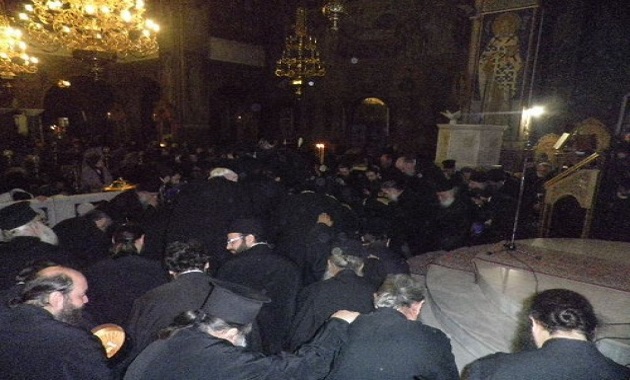 The first service of Great Lent in the Orthodox Church is “Forgiveness Vespers,” served on the eve of Monday of the First Week. There is nothing unusual about the service itself – other than the “rite of forgiveness” appended to it. In this, the priest and the faithful ask forgiveness of one another. Often this is done with mutual prostrations. Each asks the forgiveness of the other. The rite can take time, depending on the number in attendance. When it is complete, the long labors of Lent can begin. Fasting without forgiveness would be a hollow activity. This is a meditation I shared with my parish this week as the Sunday of Forgiveness approaches: Perhaps the most generous words spoken by Christ are those we hear from the Cross: “Father, forgive them, for they do not know what they are doing.” Taken at face value, the words make little sense. Surely, those who crucified Christ knew that they were killing a man. Surely they were even aware that his execution was largely political and unjust. The centurion in charge of the crucifixion is said to have stated, “Surely this man was the Son of God.” So how could Christ say, “They do not know what they are doing?” I believe this goes to the very heart of our lives and actions. We almost never know what we are doing. The greater context, the meaning of anything, is hidden from us. We have children, work at a job, and live our lives, hoping that these have been worthwhile actions. We know that much, even most of what we have done has been tainted with bad intentions and other less-than-worthy motivations. But we never actually grasp the full scope of our actions. Even those good things that we do have a hidden aspect. Did that kind word spoken earlier make a difference? Did that act of charity actually change anything? This hidden aspect of our lives is an inherent part of the human condition. We simply don’t know what we’re doing. This makes it very hard for us to judge our actions or to weigh them for their value. Christ’s words are addressed to the Father on behalf of all of humanity. For it is not just the small number of people in Jerusalem who were consenting to His death. His death is “on behalf of all and for all.” And this brings us to Forgiveness Sunday. “Why do I need to ask forgiveness of others if I have done them no wrong?” The simple answer is: You don’t know what you have or have not done. But it is commonly understood in Orthodoxy that “each person is responsible for the sins of the whole world.” Our lives are deeply connected—we are never uninvolved in the lives of others. What I have done and what I have not done both effect the lives of the whole world. A child dies on the other side of the world. I may have had no direct hand in the death, and yet I cannot excuse myself as if I have no share in what happens everywhere. The world is as we make it. I once heard a monk say, “The person of prayer does not need to go any further than his own heart to find the source of all violence in the world.” But none of this is to call us to a morbid guilt. It calls us to Christ and calls us to hear His words. On Forgiveness Sunday each of us asks forgiveness of the others around us. It is both a personal matter and collective. I have failed and need forgiveness. We have failed and need forgiveness. And perhaps the even greater call comes to us to join ourselves with Christ who says: “Father, forgive them!” “Forgive me,” we say. “God forgives us all,” comes the response. It sometimes feels awkward, even embarrassing. Some people begin to weep. Others begin to giggle. Both are part of the human condition within our shame. But the actions of Forgiveness Sunday unite us necessarily to the actions of Christ. By submitting Himself to crucifixion, Christ put Himself in the place of the sinner, the one needing forgiveness. He was displayed naked, nailed on high for all the world to see (“on His shoulders He bore our shame,” Isaiah prophesied). In the mild social embarrassment of saying, “Forgive me,” to another human being, we unite ourselves to the deep, profound healing shame of Christ. And with brazen boldness we confess, “God forgives us all!” uniting ourselves with the priestly cry of Christ Himself, “Father, forgive them!” And having read this, and done all that, we still will not know what we have done. But we are not saved by knowing what we do. We are saved by doing what He does. Forgive me. Fr Stephen Freeman Source: glory2godforallthings.com/


