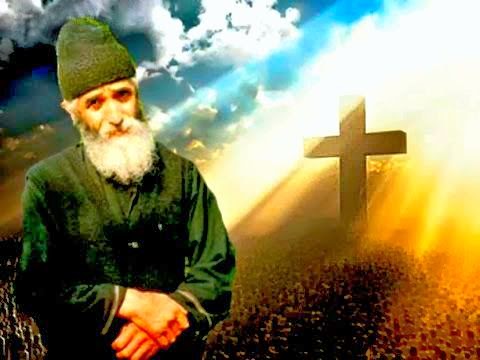
In the Prophet Ezekiel (9:6), it is said that when the Angel of the Lord was sent to punish and destroy the sinning people, it was told him not to strike those on whom the "mark" had been made. In the original text this mark is called "tau," the Hebrew letter corresponding to the letter "T," which is how in ancient times the cross was made, which then was an instrument of punishment.
So, even then, it was foretold the power of the Cross, which preserves those who venerate it. Likewise, by many other events in the Old Testament the power of the Cross was indicated. Moses, who held his arms raised in the form of a cross during the battle, gave victory to the Israelites over the Amalekites. He also, dividing the Red Sea by a blow of his rod and by a transverse blow uniting the waters again, saved Israel from Pharaoh, who drowned in the water, while Israel crossed over on the dry bottom (Exodus, ch. 14, 17).
Through the laying on of his hands in the form of a cross on his grandsons, Jacob gave a blessing to his descendents, foretelling at the same time their future until the coming of the "expectation of the nations" (Genesis, ch. 48).
By the Cross, the Son of God, having become man and accomplished our salvation. He humbled Himself and became obedient unto death, even death on the Cross (Phil. 2:8). Having stretched out His hands upon the Cross, the Savior with them as it were embraced the world, and by His blood shed on it, like a king with red ink, He signed the forgiveness of the human race.
The Cross of the Lord was the instrument by which He saved the world after the fall into sin. Through the Cross, He descended with His soul into hell, to raise up from it the souls who were awaiting Him. By the Cross Christ opened the doors of paradise which had been closed after our first ancestors had been banished from it. The Cross was sanctified by the Body of Christ which was nailed to it when He gave Himself over to torments and death for the salvation of the world. Then it was filled with life-giving power. By the Cross on Golgotha the prince of this world was cast out (John 12:31) and an end was put to his authority. The weapon by which he was crushed became the sign of Christ's victory.
The demonic hosts tremble when they see the Cross, because the kingdom of hell was destroyed by the Cross. They do not dare to draw near to anyone who is guarded by the Cross.
The whole human race, by the death of Christ on the Cross, received deliverance from the authority of the devil, and everyone who makes use of this saving weapon is inaccessible to the demons.
When legions of demons appeared to St. Anthony the Great and other desert-dwellers, they guarded themselves with the sign of the Cross, and the demons vanished.
When there appeared to St. Symeon the Stylite, who was standing on his pillar, what seemed to be a chariot to carry him to heaven, the Saint, before mounting it, crossed himself and it disappeared. The enemy, who had hoped to cast down the ascetic from the height of his pillar, was put to shame.
One cannot enumerate all the various incidents of the manifestation of the power of the Cross. Invisibly and unceasingly, Divine grace that gushes from it saves the world.
The sign of the Cross is made at all the Mysteries and prayers of the Church. With the making of the sign of the Cross over the bread and wine, they become the Body and Blood of Christ. With the immersion of the Cross the waters are sanctified. The sign of the Cross looses us from sins. "When we are guarded by the Cross, we oppose the enemy, without fearing his nets and barking." Just as the flaming sword in the hands of the Cherubim barred the entrance into paradise of old, so the Cross now acts invisibly in the world, guarding it from perdition.
The Cross is the unconquerable weapon of pious kings in the battle with enemies. Through the apparition of the Cross in the sky, the dominion of Emperor Constantine was confirmed and an end was put to the persecution against the Church. The apparition of the Cross in the sky in Jerusalem in the days of Constantius the Arian proclaimed the victory of Orthodoxy. By the power of the Cross of the Lord, Christian kings will continue to reign until Antichrist, barring his path to power and restraining lawlessness (St. John Chrysostom, Commentary on II Thes. 2:6-7).
The "sign of the Son of Man" (Matt. 24:30), that is, the Cross, will appear in the sky in order to proclaim the end of the present world and the coming of the eternal Kingdom of the Son of God. Then all the tribes of the earth shall weep, because they loved the present age and its lusts, but all who have endured persecution for righteousness and called on the name of the Lord shall rejoice and be glad. The Cross then will save all who conquered temptations, from eternal perdition by the Cross, who crucified their flesh with its passions and lusts, and took up their cross and followed afar Christ.
However, those who hated the Cross of the Lord and did not engrave the Cross in their soul will perish forever. For "the Cross is the preserver of the whole universe, the Cross is the beauty of the Church, the Cross is the might of kings, the Cross is the confirmation of the faithful, the Cross is the glory of angels and the scourge of demons" (Octoechos: Exapostilarion, Monday Matins).
Shanghai Exaltation of the Cross, 1947
So, even then, it was foretold the power of the Cross, which preserves those who venerate it. Likewise, by many other events in the Old Testament the power of the Cross was indicated. Moses, who held his arms raised in the form of a cross during the battle, gave victory to the Israelites over the Amalekites. He also, dividing the Red Sea by a blow of his rod and by a transverse blow uniting the waters again, saved Israel from Pharaoh, who drowned in the water, while Israel crossed over on the dry bottom (Exodus, ch. 14, 17).
Through the laying on of his hands in the form of a cross on his grandsons, Jacob gave a blessing to his descendents, foretelling at the same time their future until the coming of the "expectation of the nations" (Genesis, ch. 48).
By the Cross, the Son of God, having become man and accomplished our salvation. He humbled Himself and became obedient unto death, even death on the Cross (Phil. 2:8). Having stretched out His hands upon the Cross, the Savior with them as it were embraced the world, and by His blood shed on it, like a king with red ink, He signed the forgiveness of the human race.
The Cross of the Lord was the instrument by which He saved the world after the fall into sin. Through the Cross, He descended with His soul into hell, to raise up from it the souls who were awaiting Him. By the Cross Christ opened the doors of paradise which had been closed after our first ancestors had been banished from it. The Cross was sanctified by the Body of Christ which was nailed to it when He gave Himself over to torments and death for the salvation of the world. Then it was filled with life-giving power. By the Cross on Golgotha the prince of this world was cast out (John 12:31) and an end was put to his authority. The weapon by which he was crushed became the sign of Christ's victory.
The demonic hosts tremble when they see the Cross, because the kingdom of hell was destroyed by the Cross. They do not dare to draw near to anyone who is guarded by the Cross.
The whole human race, by the death of Christ on the Cross, received deliverance from the authority of the devil, and everyone who makes use of this saving weapon is inaccessible to the demons.
When legions of demons appeared to St. Anthony the Great and other desert-dwellers, they guarded themselves with the sign of the Cross, and the demons vanished.
When there appeared to St. Symeon the Stylite, who was standing on his pillar, what seemed to be a chariot to carry him to heaven, the Saint, before mounting it, crossed himself and it disappeared. The enemy, who had hoped to cast down the ascetic from the height of his pillar, was put to shame.
One cannot enumerate all the various incidents of the manifestation of the power of the Cross. Invisibly and unceasingly, Divine grace that gushes from it saves the world.
The sign of the Cross is made at all the Mysteries and prayers of the Church. With the making of the sign of the Cross over the bread and wine, they become the Body and Blood of Christ. With the immersion of the Cross the waters are sanctified. The sign of the Cross looses us from sins. "When we are guarded by the Cross, we oppose the enemy, without fearing his nets and barking." Just as the flaming sword in the hands of the Cherubim barred the entrance into paradise of old, so the Cross now acts invisibly in the world, guarding it from perdition.
The Cross is the unconquerable weapon of pious kings in the battle with enemies. Through the apparition of the Cross in the sky, the dominion of Emperor Constantine was confirmed and an end was put to the persecution against the Church. The apparition of the Cross in the sky in Jerusalem in the days of Constantius the Arian proclaimed the victory of Orthodoxy. By the power of the Cross of the Lord, Christian kings will continue to reign until Antichrist, barring his path to power and restraining lawlessness (St. John Chrysostom, Commentary on II Thes. 2:6-7).
The "sign of the Son of Man" (Matt. 24:30), that is, the Cross, will appear in the sky in order to proclaim the end of the present world and the coming of the eternal Kingdom of the Son of God. Then all the tribes of the earth shall weep, because they loved the present age and its lusts, but all who have endured persecution for righteousness and called on the name of the Lord shall rejoice and be glad. The Cross then will save all who conquered temptations, from eternal perdition by the Cross, who crucified their flesh with its passions and lusts, and took up their cross and followed afar Christ.
However, those who hated the Cross of the Lord and did not engrave the Cross in their soul will perish forever. For "the Cross is the preserver of the whole universe, the Cross is the beauty of the Church, the Cross is the might of kings, the Cross is the confirmation of the faithful, the Cross is the glory of angels and the scourge of demons" (Octoechos: Exapostilarion, Monday Matins).
Shanghai Exaltation of the Cross, 1947