 Γιατί εκείνος που ζητά το Θεό, Τον βρίσκει, αν νικά την επιθυμία σε όλες τις περιπτώσεις και αν δεν σταματά την προσευχή.
Ένας τέτοιος άνθρωπος δεν φοβάται τους δαίμονες...
http://lllazaros.blogspot.ca/

Fool-for-Christ-sake (Yurodstvo Hrista radi) is one of the most difficult and inexplicable spiritual feats of asceticism. The word "Yurodstvo" means "insanity." Some righteous people born normal and even very bright would fake insanity so that their feat would be harder. Historically Fools-for-Christ-Sake evoked two opposite reactions in people. Some reactions were malicious and scornful. People would persecute, beat and mock God’s fools. Others would feel compassion and be drawn to them in a subliminal way.
According to Venerable Seraphim of Sarov, the devotion of fool-for-Christ-Sake requires special courage and power of spirit, and no one should assume it on themselves without a special designation from God. Otherwise one may fail and become a false folly for Christ. Contemporary western Christianity cannot understand or value the feat of voluntary insanity.
The expression "fool-for-Christ’s-sake" was first applied by Apostle Paul saying, "We are insane for Christ’s sake." In his letter to Corinthians he explains that preaching about the crucifixion of the God-and-man is in itself insanity for the people of the world. "For the message of the Cross is foolishness for those who are perishing, but for us who are being saved, it is the power of God... Since, in the wisdom of God, the world through wisdom did not know God, God was pleased through the foolishness of what was preached to save those who believe" (1 Cor. 1:21 and 4:10). The Christians worshiping the crucified God-and-man are perceived by non believers as "fools-for-Christ;" People blinded by unspiritual wisdom, such as the ancient scholars, dared to allege that even Jesus Christ Himself was "raving mad" (John 10:20)! Interrogating Saint Paul, the pro-consul Festus said forthrightly to the great Apostle, "You are out of your mind, Paul! Your great learning is driving you insane" (Acts 26:24).
Fool-for-Christ-Sake, as a special form of asceticism, appeared in the middle of the 4th century in Egypt concurrently with monasticism. This phenomenon can be considered from two standpoints. Objectively, it is a godly calling. Fools-for-Chris-Sake are carrying out a special mission in this sinful world. Subjectively, it is a very difficult form of spiritual asceticism, "a narrow path" chosen by those aspiring for greater spiritual perfection.
Why would God call some of the righteous ones to live in such "humiliation?" In order for us to understand that, we have to take into account the fact that the life of the human society is permeated by evil through to its core — it is full of falsehood, lies, hypocrisy, greed, pride, wile and other sins. Often the most sinful feelings and intentions are concealed under a mask of righteousness, sophistication and nobility. Such people would willingly praise minor and illusory virtues while hating genuine goodness. A vivid example of such people can be seen in Judaic scribes contemporary with Christ. Once seeing their inability to accept His message, Jesus Christ, our Lord, exclaimed, "I thank Thee, Father, Lord of heaven and earth, that Thou hast hidden these things from the wise and prudent and hast revealed them to babes" — that is to simple and humble people (Matt.11:25).
As we know from the Holy Script, the Lord exposed the wiles of the rulers acting in a seemingly strange way. In serving God, even such great prophets as Isaiah, Jeremiah and Ezekiel sometimes turned into "fools-for-Christ-sake." Their allegedly meaningless phrases and strange actions veiled the sublime wisdom and prophecy (See, e.g.: Isaiah 8:3; Jeremiah 13:1-9, 18:1-4, 19:1-4, 20:2-10, 27:2, 38:6; Ezekiel 4:1-15, 5:1-4, 12:2-7, 24:3-5).
But God’s calling to become a Fool-for-Christ-Sake does not subdue the person’s will. Fools for Christ subjected themselves to this extraordinary asceticism not just out of obedience, but because of their yearning for righteousness. Pride is the hardest passion to be quenched. Many saints, who overcame usual physical passions relatively easily, were struggling to suppress pride and vanity throughout their lives till their last breath. Venerable John of the Ladder says, "Vanity gloats in every virtue."
Rejecting common sense and bearing humbly the daily scorn, Fools-for-Christ-Sake cut the very roots of pride. From among all the Fools-for-Christ-Sake especially renown are Andrew, Prokopius of Ustug, St. Basil, Paraskeva of the Diveyev Monastery. (Remembrance days: October 15, July 21 and August 15 acc. to the new calendar). The asceticism of giving up property and family was not enough for them. They rejected the most outstanding feature of a personality — common use of mind, and voluntarily assumed an attitude of a person unaware of a sense of measure, manners or embarrassment.
Fool-for-Christ-Sake is a mask applied by those who have a special calling to do it. It is known that at times Fools-for-Christ-Sake would remove the mask before some people and amaze them with their wisdom and talents. A Fool-for-Christ-Sake, Pelagia of the Diveyev monastery, who was blessed to that asceticism by venerable Seraphim, was going back to a usual state during her confessions. A newly appointed preacher was deeply impressed by her mental and spiritual power. Saint Andrew, God’s fool, also removed his mask of folly when talking to his disciple Epiphanius, who was later to become a renowned bishop.
Yet, in everyday life Fools-for-Christ-Sake, pretending to be insane were constantly abused and outcast by everyone. Living in the society they were as lonely as those in an inaccessible desert. Having given up every worldly property and comfort, free from all attachments to earthly things and exposing themselves to all hazards of homeless life, those people chosen by God were like aliens from another world.
Despite all, Fools-for-Christ-Sake were always retaining sublime spirituality, constantly lifting up the eyes of their minds and hearts to God, their spirit ceaselessly aflame before Him. Acquiring great humbleness and spiritual cleanness Fools-for-Christ-Sake became particularly dear to God and received the gift of wonderworking and discernment. They sometimes accomplished such humane deeds of love to their neighbor, that would be beyond any other person. They were not shy to tell the truth openly regardless of the person; their words and sometimes extraordinary actions either criticized fiercely and condemned the unjust people who were often powerful and ominous; or gave joy and consolation to the righteous and God fearing ones. Generally Fools-for-Christ-Sake would mix with the most sinful classes of society for the purpose of correcting and saving these people. And they did lead them, and many other outcasts to the way of goodness. Being close to God, they often relieved their compatriots from various pending misfortunes and averted God’s wrath from them through prayers.
The asceticism of Fool-for-Christ-Sake was not only hard in itself, but it required special wisdom from the saintly ascetics so that their own humiliation further served to honor God and guide people, being ridiculous without sinfulness and seeming to behave shamelessly without tempting or hurting anyone.

During baptism, a person is given a name in honor of one of the saints, who from that moment becomes his heavenly patron. Each Orthodox Christian should know the "life" — the history — of his heavenly patron and turn to him in prayer for help and guidance. Our devout ancestors tried to commemorate the day of their saint’s memory — "the angel’s day" — by partaking of the Holy Communion and celebrating this day more festively than their birthday.
What is the meaning of the orthodox reverence of the holy servants of God? Do the saints in Heaven know of our needs and difficulties and are they interested in us? Do they hear our prayers to them and do they try to help us? Indeed should we turn to saints for help, or is it enough to pray only to the Lord God? Sectarians, who have lost the apostolic traditions, do not understand the essence and purpose of Christ’s Church and thus deny the necessity of prayers to the saints in Heaven. We will briefly outline herein the Orthodox teaching concerning this.
Orthodox reverence of the holy servants of God comes from the conviction that all of us, those seeking salvation or those already saved, living and dead, form a single family of God. The Church is a great society, encompassing the visible and invisible world. It is a huge, universal organization, built on the principle of love, in which each member must care not only about himself, but about the well-being and salvation of others. Saints are those people which during their life more than others expressed love to others.
We orthodox believe that, when a righteous person dies, he does not sever his ties with the Church, but crosses over to its higher, heavenly domain — into the Church triumphant. Once in the spiritual world, the soul of the righteous person does not stop thinking, wanting, feeling. Just the opposite, these characteristics are revealed more fully and completely.
Modern non-Orthodox Christians, having lost the active connection with the heavenly-earthly Church, have the most vague and contradicting ideas concerning the afterlife. Some of them think that after death the soul of the person falls asleep and is as though shut off from everything; others — that the soul of a person, even if it continues its activity after death, does not concern itself with the world which it has departed. Others — that as a matter of principle one should not pray to saints, because a Christian has direct association with God.
What is the teaching of the Holy Scriptures concerning the righteous who have departed the earthly world, and the power of their prayers? In apostolic times the Church was considered as one Heavenly/earthly spiritual family. The Apostle Paul wrote to newly-converted Christians: "But ye are come unto mount Sion, and unto the city of the living God, the heavenly Jerusalem, and to an innumerable company of angels, To the general assembly and church of the firstborn, which are written in heaven, and to God the Judge of all, and to the spirits of just men made perfect" (Heb. 12:22-23). In other words, you, by becoming Christians, have joined a great family and come into close contact with the heavenly world and with the righteous who are found therein. The parting words of the Apostle Peter — "Moreover I will endeavor that ye may be able after my decease to have these things always in remembrance" (2 Peter 1:15) — clearly attest to the fact that he promises to continue to care about them from that spiritual world.
The ancient practice of turning to the holy martyrs and servants of God for help is based on the recognition of the active association of the Heavenly-earthly Church and on the basis of faith in the power of prayer.
We know that not all, but only the most zealous and devout persons did God during their lifetime call His friends, and glorified them with the gifts of the Holy Spirit and miracles. Thus, Christ told the apostles at the Last Supper: "Ye are my friends!… For whosoever shall do the will of my Father which is in heaven, the same is my brother, and sister, and mother" (John 15:14-15; Mt. 12:50). The sacred history presents many examples of spiritual closeness, or "audacity," of the saints with God. For example, Abraham asks God to have mercy on the citizens of Sodom and Gomorra, and God was willing to fulfill his request, if there were at least 10 righteous persons found there. Another time God rescinded his punishment of Abimelech, king of Gerar, by the prayers of Abraham (Gen. Chap. 18, Gen. Chap. 20). The Bible relates, that God spoke with the Prophet Moses face to face, "as a man speaketh unto his friend." When Miriam, the sister of Moses, sinned and was punished with leprosy, Moses attained forgiveness for her from the Lord through prayer (Ex. 33:11; Numbers Chap. 12). Other examples can also be presented about the particular strength of the prayers of God’s servants.
The saints themselves do not overshadow God and do not weaken the need to turn to Him as the Heavenly Father. For even grown members of a family do not lessen the authority of the parents, when they care for their children together. Even more so: nothing pleases a parent more, than seeing how older brothers care for the younger. In similar fashion, our Heavenly Father rejoices, when the saints pray for us and try to help us. The holy servants of God possess a stronger faith than we, and are closer to God by their righteousness. For this reason we will turn to them as to our older brothers, appearing at the throne of the Almighty for us.
It is noteworthy that the righteous, while still living on earth, saw and knew much that was inaccessible to normal perception. Even more so should these gifts be inherent in them, when they, free from their mortal body, have passed on to the higher world. The Apostle Peter, for example, saw what was occurring in Ananias’ soul; the illegal act of his servant Giezia was revealed to Elisha and, what is more amazing, all the secret plans of the Syrian court were revealed to him, which he later related to the King of Israel. The saints, while on earth, penetrated the higher world with their spirit, and some saw hosts of angels, others earned the right to see the image of God (Isaiah, Ezekiel), others were transported to the third Heaven and heard secret indescribable words there, for example, the Apostle Paul. Even more so, being in Heaven, they are more capable of knowing what is happening on earth and hearing those who turn to them, since the saints in Heaven are "equal to the angels" (Acts 5:3; 4 [2] Kings Chapter 4; 4 [2] Kings 6:12; Luke 20:36). From the parable of the Lord about the rich man and Lazarus we find out, that Abraham, being in Heaven, could hear the cry of the rich man, suffering in hell, the "great gulf" dividing them notwithstanding. The words of Abraham: your brothers have Moses and the prophets, let them hear them — clearly show that Abraham knows the life of the Hebrew nation, occurring after his death, knows of Moses and his law, about the prophets and their writings. The spiritual vision of the souls of the righteous in Heaven, without doubt, is greater than it was on earth. The Apostle writes: "For now we see through a glass, darkly; but then face to face: now I know in part; but then shall I know even as also I am known" (1 Cor. 13:12).
The nearness of the saints to God’s throne and the power of their prayers for the faithful existing on the earth, is obvious from the book of Revelations, in which the Apostle John writes: "And I beheld, and I heard the voice of many angels round about the throne and the beasts and the elders: and the number of them was ten thousand times ten thousand, and thousands of thousands." Later he describes the vision of the righteous in Heaven, praying for the people suffering on earth: "And another angel came and stood at the altar, having a golden censer; and there was given unto him much incense, that he should offer it with the prayers of all saints upon the golden altar which was before the throne. And the smoke of the incense, which came with the prayers of the saints, ascended up before God out of the angel’s hand" (Rev. 5:11; 8:3-4).
Great is the power of prayer! "Confess your faults one to another, and pray one for another, that ye may be healed. The effectual fervent prayer of a righteous man availeth much," taught the Apostle James (Jam. 5:16). Praying for another is an expression of love for him; and the saints in Heaven, praying for us, show us their brotherly love and care.
In the Gospel and other New Testament books we find numerous examples witnessing the power of prayer for other people. Thus, for example, by request of the nobleman, the Lord healed his son; by request of the Canaanite woman her daughter was freed from the demon; by request of a father the Lord healed his possessed son; and by request of his friends, He forgave and healed the sick of the palsy, whom they lowered from the roof with ropes; by the faith of the Roman centurion, his servant was healed (John 4:46-53; Mat. 15:21-23; Mark 9:17-25; Mark 2:2-25; Mat. 8:5-13). In addition, the Lord performed most of the miraculous healings at a distance, in absentia.
In this way, if the prayers of simple people have such strength, then even more powerful are the prayers of the righteous, standing before the throne of God. "And this is the confidence that we have in him (the Son of God), that, if we ask any thing according to his will, he heareth us," urges us the beloved pupil of Christ (1 John 5:14).
This is why the Church from the very earliest times taught about the benefits of prayerful appeal to the saints. This we see, for example, from ancient liturgies and other literary monuments of apostolic fathers. In the liturgy of the Apostle James we read: "Especially we perform the memory of the Holy and Glorious Ever-virgin, Blessed Mother of God. Remember Her, Lord God, and by Her pure and holy prayers have mercy on us." Saint Cyril of Jerusalem, in describing the Liturgy of the church of Jerusalem, notes: "Thus we remember (in the Liturgy) those deceased earlier, firstly the patriarchs, the prophets, apostles, martyrs, so that through their prayers and intercessions God would accept our prayers."
There are numerous accounts of the Fathers and teachers of the Church, particularly beginning with the 4th century, of the Church’s reverence of the saints. But even from the beginning of the second century there is direct evidence of ancient Christian writings of faith in the prayers of the saints in Heaven about their brothers on earth. Witnesses of the martyrdom of St. Ignatius the God-Bearer (beginning in the second century) say "Returning home in tears, we conducted an all-night vigil… Later, dozing off, some of us saw the blessed Ignatius suddenly arisen, embracing us, and others also saw him praying for us." Similar notes containing mentions of prayers and intercessions for us by martyrs are contained in other writings from the era of persecutions on Christians.
The determination of the holiness of the dead person is confirmed by special evidence, such as: martyrdom for Christ, fearless espousal of their faith, selfless service to the Church, the gift of healing. Particularly, when the Lord confirms the holiness of the dead person through miracles after their death upon praying to them.
Besides the help of the saints through prayer, they help us attain salvation through the example of their own life. The familiarity with the lives of the saints enriches the Christian with the spiritual experience of those, who more zealously than others embodied the Gospel in their life. Here are so many clear examples of living faith, courage, patience. Being persons like ourselves, and overcoming the most difficult temptations, they inspire us to carry out our path of life patiently and uncomplainingly.
The Apostle James called upon Christians to imitate the patience of the ancient prophets and Job the Long-suffering, to acquire strong faith, like the prophet Elijah. The Apostle Peter taught Christian wives to take the example of modesty and obedience from the righteous Sarah, Abraham’s wife. The Holy Apostle Paul presents the feats of the ancient righteous, beginning with Abel and ending with the Maccabees, and urges Christians to imitate them. In the conclusion of his thorough teaching on this theme he writes: "Wherefore seeing we also are compassed about with so great a cloud of witnesses, let us lay aside every weight, and the sin which doth so easily beset us, and let us run with patience the race that is set before us" (James 5th chapter; 1 Peter 3:6; Heb. 12:1).
The Lord said: "Neither do men light a candle, and put it under a bushel, but on a candlestick; and it giveth light unto all that are in the house. Let your light so shine before men, that they may see your good works, and glorify your Father which is in Heaven" (Matt. 5:15-16). Saints are bright stars, showing us the way to the Heavenly Kingdom.
Let us treasure the closeness to God of God’s holy servants and turn to them for help, remembering that they love us and concern themselves with our salvation. Familiarity with the lives of the saints is particularly important in our time, when the general mass of "Christians" of the most varied direction has become so trivialized and the understanding of the Christian ideal has been distorted.

Κάποια φορὰ ὁ Γέρων Πορφύριος ξεκίνησε μαζὶ μὲ τρία πνευματικὰ τέκνα του νὰ πᾶνε σ’ ἕνα μοναστήρι, γιὰ νὰ τελέσουν ἕνα Ἑσπερινό. Ἀρχικά, εἶπαν νὰ πᾶνε μὲ τὰ πόδια. Ἀφοῦ, ὅμως, περπάτησαν κάποια ἀπόσταση κι ἐπειδὴ ὁ Γέρων Πορφύριος ἦταν κουρασμένος, σκέφτηκαν, μιὰ καὶ τὸ μοναστήρι ἐκεῖνο ἦταν κάπως μακριά, νὰ βροῦν ἕνα μεταφορικὸ μέσον, ἀντὶ νὰ πᾶνε μὲ τὰ πόδια.
Ἐκείνη τὴν ὥρα φάνηκε ἀπὸ μακριὰ ἕνα ταξί. Εἶπαν τότε στὸν Γέροντα οἱ συνοδοί του – καὶ οἱ τρεῖς λαϊκοί, ὄχι κληρικοί– νὰ κάνουν ἕνα νεῦμα στὸ ταξὶ νὰ σταματήσει, γιὰ νὰ ρωτήσουν τὸν ὁδηγὸ ἂν μποροῦσε νὰ τοὺς μεταφέρει στὸ μοναστήρι.
«Μὴ φοβᾶστε», τοὺς εἶπε, «θὰ σταματήσει μόνος του ὁ ὁδηγὸς τοῦ ταξί. Ἀλλά, ὅταν θὰ μποῦμε στὸ ταξί, νὰ μὴ μιλήσει κανένας σας στὸν ὁδηγό, μόνο ἐγὼ θὰ τοῦ μιλήσω».
Ἔτσι κι ἔγινε. Σταμάτησε ὁ ὁδηγὸς τοῦ ταξί, χωρὶς αὐτοὶ νὰ τοῦ κάνουν νεῦμα, μπῆκαν μέσα καὶ ὁ πατὴρ Πορφύριος εἶπε στὸν ὁδηγὸ τὸν προορισμό τους.
Μόλις ξεκίνησαν, ὁ ὁδηγὸς τοῦ ταξὶ ἄρχισε νὰ καταφέρεται ἐναντίον τῶν κληρικῶν καὶ νὰ τοὺς κατηγορεῖ γιὰ χίλια δυὸ πράγματα. Καὶ κάθε φορά, ποὺ ἔλεγε κάτι, ἀπευθυνόταν στοὺς τρεῖς λαϊκούς, οἱ ὁποῖοι κάθονταν στὸ πίσω μέρος τοῦ ταξὶ καὶ τοὺς ρωτοῦσε: «Ἔτσι δὲν εἶναι, βρὲ παιδιά; Τί λέτε κι ἐσεῖς;». Ἐκεῖνοι, ὅμως, τσιμουδιά ∙ δὲν ἔλεγαν τίποτε, κατὰ τὴν ἐντολὴ τοῦ Γέροντος. Ἀφοῦ εἶδε κι ἀπόειδε ὁ ὁδηγὸς ὅτι δὲν τοῦ ἀπαντοῦσαν οἱ ἄλλοι, στράφηκε στὸν Γέροντα Πορφύριο καὶ τοῦ εἶπε: «Ἔτσι δὲν εἶναι, παππούλη; Τί λὲς κι ἐσύ; Δὲν εἶναι ἀλήθεια αὐτὰ τὰ πράγματα, ποὺ τὰ γράφουν κι οἱ ἐφημερίδες;».
Τοῦ λέει τότε ὁ Γέρων Πορφύριος: «Παιδί μου, θὰ σοῦ πῶ μιὰ μικρὴ ἱστορία, θὰ σοῦ τὴν πῶ μιὰ φορά ∙ δὲν θὰ χρειαστεῖ δεύτερη». Κι ἄρχισε νὰ τοῦ ἀφηγεῖται:
«Ἦταν ἕνας ἄνθρωπος ἀπὸ τὸ τάδε μέρος (ὁ Γέροντας τὸ ἀνέφερε), ποὺ εἶχε ἕνα ἡλικιωμένο γείτονα, ὁ ὁποῖος εἶχε ἕνα μεγάλο κτῆμα. Μιὰ νύκτα τὸν σκότωσε καὶ τὸν ἔθαψε. Στὴ συνέχεια, μὲ διάφορα πλαστὰ χαρτιά, πῆρε τὸ κτῆμα τοῦ γείτονά του καὶ τὸ πούλησε. Καὶ ξέρεις τί ἀγόρασε μὲ τὰ χρήματα, τὰ ὁποῖα πῆρε πουλώντας αὐτὸ τὸ κτῆμα; Ἀγόρασε ἕνα ταξί».
Μόλις ἄκουσε αὐτὴ τὴν ἀφήγηση ὁ ὁδηγὸς τοῦ ταξί, τόσο πολὺ συγκλονίστηκε, ποὺ σταμάτησε τὸ αὐτοκίνητο στὴν ἄκρη τοῦ δρόμου καὶ φώναξε: «Μὴ πεῖς τίποτε, παππούλη ∙ μόνο ἐγὼ τὸ ξέρω αὐτὸ κι ἐσύ».
«Τὸ ξέρει κι ὁ Θεός», τοῦ ἀπάντησε ὁ Γέρων Πορφύριος. «Ἐκεῖνος μοῦ τὸ εἶπε, γιὰ νὰ σοῦ τὸ πῶ. Καὶ νὰ φροντίσεις ἀπ’ ἐδῶ κι ἐμπρὸς ν’ ἀλλάξεις ζωή».
Διήγηση τοῦ Παν. Σωτήρχου. Ἀπὸ τὸ βιβλίο τοῦ Κλείτου Ἰωαννίδη «Ὁ Γέρων Πορφύριος. Μαρτυρίες καὶ Ἐμπειρίες».
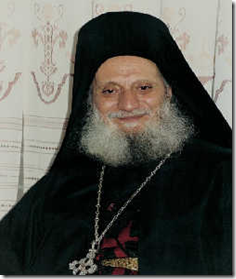
Του Aρχιμ. Aιμιλιανού Kαθηγουμένου I. M. Σίμωνος Πέτρας
Tην προσευχήν του Aγίου Όρους ποιός δεν την γνωρίζει; Aποτελείται από μίαν φράσιν μικράν, από μετρημένας τας λέξεις.
Κύριε Ιησού Χριστέ, ελέησον με τον αμαρτωλόν
Mε την βοεράν κραυγήν «Kύριε», δοξολογούμεν τον Θεόν, την ένδοξον μεγαλειότητά Tου, τον βασιλέα του Iσραήλ, τον δημιουργόν της ορατής και αοράτου κτίσεως, όν φρίττουσι τα Σεραφείμ και τα Xερουβείμ.
Mε την γλυκυτάτην επίκλησιν και πρόσκλησιν «Iησού», μαρτυρούμεν, ότι είναι παρών ο Xριστός, ο σωτήρ ημών, και ευγνωμόνως τον ευχαριστούμεν, διότι μας ητοίμασε ζωήν αιώνιον.
Mε την τρίτην λέξιν “Xριστέ”, θεολογούμεν, ομολογούντες ότι ο Xριστός είναι αυτός ο Yιός του Θεού και Θεός. Δεν μας έσωσε κάποιος άνθρωπος, ούτε άγγελος, αλλά ο Iησούς Xριστός, ο αληθινός Θεός.
Eν συνεχεία, με την ενδόμυχον αίτησιν «ελέησόν με», προσκυνούμεν και παρακαλούμεν να γίνη ίλεως ο Θεός, εκπληρών τα σωτήρια αιτήματά μας, τους πόθους και τας ανάγκας των καρδιών μας.
Και εκείνο το «με», τί εύρος έχει! Δεν είναι μόνον ο εαυτός μου – είναι άπαντες οι πολιτογραφηθέντες εις το κράτος του Xριστού, εις την αγίαν Eκκλησίαν, είναι όλοι αυτοί που αποτελούν μέλος του ιδικού μου σώματος.
Kαι, τέλος, διά να είναι πληρεστάτη η προσευχή μας, κατακλείομεν με την λέξιν «τόν αμαρτωλόν», εξομολογούμενοι – πάντες γάρ αμαρτωλοί εσμεν – καθώς εξωμολογούντο και όλοι οι Άγιοι και εγίνοντο διά ταύτης της φωνής υιοί φωτός και ημέρας.
Eξ αυτών αντιλαμβανόμεθα, ότι η ευχή εμπεριέχει δοξολογίαν, ευχαριστίαν, θεολογίαν, παράκλησιν και εξομολόγησιν.
Πηγή: εδώ
-----------------------------------------------------------
Analysis of the Prayer "Lord Jesus Christ, Have Mercy On Me, A Sinner"
By Elder Aimilianos of Simonopetra
The prayer of Mount Athos, who does not recognize it? It is comprised of one small phrase, of measured words.
"Lord Jesus Christ, have mercy on me, a sinner."
With the loud cry "Lord", we glorify God, His glorious majesty, the King of Israel, the Creator of visible and invisible creation, Whom Seraphim and Cherubim tremble before.
With the sweet invocation and summons "Jesus", we witness that Christ is present, our Savior, and we gratefully thank Him, because He has prepared for us life eternal.
With the third word "Christ", we theologically confess that Christ is the Son of God and God. No man saved us, nor angel, but Jesus Christ, the true God.
There follows the intimate petition "have mercy", and we venerate and entreat that God would be propitious, fulfilling our salvation’s demands, the desires and needs of our hearts.
That "on me", what range it has! It is not only myself, it is everyone admitted to citizenship in the state of Christ, in the holy Church; it is all those who are members of the body of the Bridegroom.
And finally, so that our prayer be full of life, we close with the word "a sinner", confessing – since we are all sinners – as all the Saints confess and became through this sound sons of light and of the day.
Through this we understand, that this prayer involves:
Glorification
Thanksgiving
Theology
Supplication
and Confession
Source
Ο διάβολος πολεμάει τους πιστούς με τον οικουμενισμό, τούς πλούσιους με τον μασονισμό και τούς πτωχούς με τον κομμουνισμό”, παρετήρησε ο γέρων..
Άγιος Παΐσιος

Cuviosul Bătrân Porfirie, pe numele său din lume Evanghelos Bairaktaris, s-a născut la 7 februarie 1906, în Evvia, în satul Sfântul Ioan din Eparhia Karistia. Părinţii săi, Leonid şi Elena, din neamul lui Antonie Lambrou, erau oameni binecinstitori şi iubitori de Dumnezeu. Tatăl său era cântăreţ la biserica satului şi-l cunoscuse personal pe Sfântul Nectarie. Familia sa a fost numeroasă, iar părinţii, ţărani săraci, întâmpinau greutăţi în a o întreţine. Pentru aceasta, tatăl a fost nevoit să plece în America, unde a lucrat la construcţia Canalului Panama.
Părintele Porfirie Kavsokalivitul (7 februarie 1906 – 2 decembrie 1991)
Micul Evanghelos era al patrulea copil al familiei. Păzea oile pe munte, şi urmase numai clasa întâi, după care a fost nevoit şi el, din pricina marii sărăcii, să meargă în Halkida, pentru a munci. Avea numai 7 ani. A lucrat vreme de 2 sau 3 ani într-un magazin, după care a mers la Pireu, unde a muncit 2 ani la băcănia unei rude.
La vârsta de 12 ani a plecat pe ascuns către Sfântul Munte, cu dorinţa de a urma Sfântului Ioan Colibaşul, pe care îl iubea în chip deosebit şi a cărui viaţă o citise mai demult. Harul lui Dumnezeu l-a călăuzit la coliba Sfântului Gheorghe din Kavsokalivia, unde a rămas sub ascultarea a doi Bătrâni, fraţi după trup, Pantelimon – care era şi duhovnic – şi Ioanichie. S-a încredinţat cu mare iubire şi cu duh de ascultare desăvârşită celor doi Bătrâni care, după cum mărturiseau mulţi, erau deosebit de aspri.
A devenit monah la vârsta de 14 ani, primind numele de Nichita. După 2 ani a luat şi marea schimă. Puţin mai târziu, Dumnezeu i-a dat darul străvederii.
La vârsta de 19 ani Părintele s-a îmbolnăvit foarte rău, fapt care l-a silit să părăsească pentru totdeauna Sfântul Munte. S-a întors în Evvia, închinoviindu-se la Mănăstirea Sfântului Haralambie. Un an mai târziu, în 1926, la vârsta de 20 de ani, a fost hirotonit preot în biserica Sfântului Haralambie din Kimi, de către Porfirie al III-lea, Arhiepiscopul Sinaiului, care i-a dat numele de Porfirie. La 22 de ani a fost hirotesit duhovnic, iar puţin mai târziu arhimandrit. A slujit pentru o vreme şi ca paroh într-unul din satele Evviei.
La Mănăstirea Sfântului Haralambie a vieţuit 12 ani, slujind oamenilor ca părinte duhovnicesc, iar trei ani i-a petrecut în mănăstirea părăsită a Sfântului Nicolae din Ano Vathia.
În 1940, la începutul celui de-al doilea război mondial, Bătrânul Porfirie s-a stabilit în Atena, primind sarcina de paroh şi duhovnic la Policlinica Sfântului Gherasim, lângă Piaţa Omonia. Precum spunea el însuşi, a trăit acolo 33 de ani ca pe o singură zi, nevoindu-se fără odihnă în lucrarea duhovnicească şi uşurând durerea şi neputinţele oamenilor.
Din 1955 s-a aşezat la Kallisia, primind de la Mănăstirea Pendeli bisericuţa părăsită a Sfântului Nicolae, având de jur împrejurul ei puţin pământ, pe care îl cultiva cu mare sârguinţă. În acelaşi timp, Părintele şi-a îmbogăţit aici şi lucrarea duhovnicească.
În vara anului 1979 s-a aşezat în Milesi, cu visul de a zidi o mănăstire. Aici a trăit la început într-o rulotă, în condiţii potrivnice, iar mai apoi într-o chilioară simplă, din plăci de ciment, unde a răbdat fără cârtire multele încercări ale bolii. În 1984, s-a mutat într-o clădire a nou-începutei mănăstiri pentru a cărei ridicare, deşi era foarte bolnav şi orb, se ostenea neîncetat şi fără preget. Prin punerea temeliei bisericii Mănăstirii Schimbării la Faţă, la 26 februarie 1990, s-a învrednicit să-şi vadă visul aievea.
În ultimii ani ai vieţii sale pământeşti, a început să se pregătească pentru trecerea la cele veşnice. Dorea să se retragă la Sfântul Munte, în iubitul său schit Kavsokalivia, unde, în taină şi fără zgomot, aşa precum a şi trăit, să-şi dea sufletul Mirelui său. Îl auzeai adesea zicând: “Acum, că am îmbătrânit, vreau să merg şi să mor acolo sus.”
Într-adevăr, şi-a aflat cuviosul sfârşit la Kavsokalivia, în coliba sa, în dimineaţa zilei de 2 decembrie 1991. Ultimele cuvinte care s-au auzit din gura sa au fost acelea ale rugăciunii arhiereşti a Domnului, pe care atât de mult le iubea şi pe care le repeta adeseori: Ca toţi să fie una.
Sursa: Ne vorbeşte Părintele Porfirie, Editura Cartea Ortodoxă, Egumeniţa, 2003.
http://www.pemptousia.ro/2011/12/20-de-ani-de-la-trecerea-la-domnul-a-batranului-porfirie-kavsokalivitul/
 O Γέροντας Κλεόπας γεννήθηκε στο χωριό Σούλιτσα του νομού Botosani της Ρουμανίας στις 10 Απριλίου του 1912. Ήταν το πέμπτο από τα δέκα παιδιά της οικογένειας των Αλέξανδρου και Άννας, μάλιστα από τα δέκα παιδιά τα πέντε ακολούθησαν το μοναχικό βίο. Οι γονείς του ήταν ζωντανό παράδειγμα χριστιανικής ζωής, το σπίτι τους ήταν μια κατ΄ οίκον εκκλησία όπως ο ίδιος ο γέροντας διηγόταν.
Από την γέννησή του για δύο μήνες συνεχώς ο Κωνσταντίνος -κοσμικό όνομα του γέροντα- ήταν συνεχώς ανήσυχος. Δεν έτρωγε σχεδόν τίποτα και έκλαιγε μέρα και νύχτα, έτσι που όλοι ανησυχούσαν για τη ζωή του. Μη γνωρίζοντας τι να κάνει η μητέρα του επειδή δύο άλλα αδέλφια του πέθαναν σε νηπιακή ηλικία· πήγε στον ερημίτη Κόνωνα Georgescu ο οποίος ήταν πνευματικός στην Cozancea και με την βοήθειά του η Παναγία θεράπευσε τον μικρό Κωνσταντίνο.
Στα τέλη του 1927, ο μεγαλύτερος αδερφός του, Γεώργιος εισήλθε στην Ιερά Σκήτη Sihastria ο οποίος στην κουρά του ονομάστηκε Γεράσιμος μοναχός, ενώ το χειμώνα του 1929, ο Κωνσταντίνος και ο αδελφός του Βασίλειος αποφάσισαν και αυτοί να μονάσουν στην ίδια Σκήτη (μοναστήρι). Έγινα δεκτοί μετά από τον Ηγούμενο της Σκήτης π. Ιωαννίκιο Moroi.
Την άνοιξη του 1931 ο ρασοφόρος Βασίλειος αδελφός και συνασκητής του π. Κλεόπα, ασθένησε και σε τρεις μέρες κοιμήθηκε εν ειρήνη. Στις 14 Σεπτεμβρίου 1933 ο π. Γεράσιμος, μεγαλύτερος αδελφός του γέροντα παρέδωσε και αυτός την ψυχή του στα χέρια του Χριστού.
Μέχρι το 1935 ο Γέροντας έβοσκε τα πρόβατα της Σκήτης όπως έκαναν και τα άλλα του αδέλφια. Ο ίδιος έλεγε για την περίοδο εκείνη ότι: «Για χρόνια ήμουν βοσκός προβάτων στη σκήτη όπως και οι αδελφοί μου, είχα δε μεγάλη πνευματική χαρά.
Το 1935, ο δόκιμος Κωνσταντίνος κλήθηκε να υπηρετήσει τη στρατιωτική του θητεία στο Botosani.
Όταν δε απολύθηκε· περί τα τέλη Ιουλίου 1937 ο ηγούμενος αποφάσισε την κουρά του σε μοναχό. Με την κουρά του πήρε το όνομα Κλεόπας.
Ο ηλικιωμένος ηγούμενος π. Ιωαννίκιος, ηλικίας 82, ο οποίος ήταν πλέον σχεδόν τυφλός τον διόρισε τον Ιούνιο του 1942 -σε ηλικία μόλις 30 χρόνων- αναπληρωτή ηγούμενο.
Ηγούμενος εκλέχθηκε σε διαδοχή του μακαριστού π. Ιωαννικίου στις 3 Σεπτεμβρίου 1944. Στις 27 Δεκεμβρίου 1944 χειροτονήθηκε διάκονος ενώ στις 23 Ιανουαρίου 1945 πρεσβύτερος και εγκαταστάθηκε επίσκοπος Γαλακτίωνα επίσημα ηγούμενος της Σκήτης Sihastria.
Μεταξύ των ετών 1945-1946 ανακαινίζει εξωτερικά αλλά και εσωτερικά τη σκήτη, έτσι το 1947 ανυψώθηκε από εξαρτηματική Σκήτη σε ανεξάρτητη Μονή.
Όταν ήλθαν οι κομμουνιστές στην εξουσία, συνελήφθη και ανακρίθηκε για πέντε ημέρες στο Targu Neamt, κατόπιν αφέθηκε ελεύθερος τόσο γρήγορα όσο είχε συλληφθεί. Οι γύρω του συνειδητοποιώντας ότι θα έχει συνεχώς προβλήματα με τις κομμουνιστικές αρχές τον συμβούλευσαν να κρυφτεί για λίγο στα βουνά. Έτσι ο π. Κλεόπας έκανε μια ξύλινη καλύβα βαθιά στο δάσος έδαφος, 6 χλμ. Μακριά από το μοναστήρι. Έξη μήνες μετά από την αποχώρησή του στα βουνά ο γέροντας Κλεόπας αποκαταστάθηκε και πάλι ως ηγούμενος στη Μονή Sihăstria προς χαρά τόσο των μοναχών όσο και των προσκυνητών.
Στις 30 Αυγούστου 1949 γίνεται ηγούμενος της Μονής Slatina-Suceava και μεταφέρεται εκεί με 30 μοναχούς από τη Μονή Sihastria, μετά την απόφαση του Πατριάρχη Ιουστινιανού. Μέχρι την άνοιξη του 1952 η Μονή Slatina ανθούσε φθάνοντας να είναι μεταξύ των πιο οργανωμένων μοναστηριών της Ρουμανίας.
Αλλά ο διάβολος ο οποίος ποτέ δεν κοιμάται, έβαλε την κρατική ασφάλεια να προβεί σε ενδελεχή έρευνα σχετικά με την μοναστική κοινότητα της Μονής. Έτσι φθάνοντας ένα βράδυ τα όργανα ασφαλείας, ερεύνησαν την Μονή και τελικά συνέλαβαν μερικούς από τους πατέρες της Μονής με επικεφαλής τον π. Κλεόπα και τους ιερομ. π. Αρσένιο Papacioc και μοναχό π. Κωνσταντίνο Dumitrescu.
Τότε ο π. Κλεόπας και ο ιερομόναχος π. Αρσένιος Papacioc παρέμειναν στα βουνά Stânişoarei καθόλη τη διάρκεια των ταραχών στη Μονή Slatina. Οι πατέρες αντιμετωπίζουν με στωικότητα το κρύο, την πείνα, τη δίψα. Και συνεχώς προσεύχονταν μέρα και νύχτα για να τους ενισχύει πνευματικά ο Κύριος.
Την άνοιξη του 1955 προσπάθησε να γεφυρώσει το σχίσμα ορισμένων Ορθοδόξων πιστών, οι οποίοι επιμένοντας στη χρησιμοποίηση από την Εκκλησία του Ιουλιανού Ημερολογίου αποκόπησαν από την κοινωνία με το Πατριαρχείο της Ρουμανίας.
Το φθινόπωρο του 1956 ο π. Κλεόπας επέστρεψε και πάλι πίσω στο Μοναστήρι Sihastria. Τώρα η πνευματική ζωή της Μονής Sihastria θα ενισχυθεί ακόμη περαιτέρω.
Η δίωξη των ετών 1959 και 1964 ήταν η πιο δύσκολη περίοδος για τον μοναχισμό της Ρουμανίας στον 20ο αιώνα. Τέλη του 1959 ψηφίστηκε από την αθεϊστική κυβέρνηση στο Βουκουρέστι, ένα ειδικό διάταγμα (διάταγμα 410/1959) με το οποίο οι μοναχοί κάτω των 55 ετών και οι μοναχές πάνω από 50 χρονών εκδιώχθηκαν από όλα τα μοναστήρια. Το διάταγμα τέθηκε από την αστυνομία σε εφαρμογή και έως την άνοιξη του 1960, εκδιώχθηκαν από τα μοναστήρια πάνω από 4000 μοναχοί και μοναχές.
Ο π. Κλεόπας εξετάστηκε από τις αρχές και πιέστηκε ώστε να αποβάλει το μοναχικό σχήμα και να περιοριστεί στο σπίτι του αλλά όπως και πολλοί άλλοι μοναχοί, αρνήθηκε να αφαιρέσει το μοναχικό σχήμα και να εγκαταλείψει τη Μονή. Γνωρίζοντας ότι συνεχώς παρακολουθείται από τις κομμουνιστικές κρατικές μυστικές υπηρεσίες και φωτισμένος από το Άγιο Πνεύμα, αποσύρθηκε και πάλι -για τρίτη φορά- στα βουνά της Μολδαβίας.
Το φθινόπωρο του 1964, όταν η αναταραχή και ο διωγμός της Εκκλησίας κάπως μαλάκωσαν επέστρεψε πίσω στη Μονή και παρέμεινε για 34 χρόνια ως πνευματικός όλων, τόσο των μοναχών όσο και των λαϊκών. Έφθαναν από ολόκληρη τη χώρα και το εξωτερικό, επειδή το όνομά του ήταν γνωστό, γνωστό και αγαπητό από όλους. Καθημερινά δεκάδες άνθρωποι του ζητούσαν συμβουλές και οδηγίες.
Η περίοδος από το Σεπτέμβριο μέχρι και τον Νοέμβριο του 1998 σηματοδότησαν το τέλος του γέροντα. Τώρα ο γέροντας μιλούσε όλο και λιγότερο, και πάντα με σβησμένη φωνή επαναλάμβανε τις ίδιες λέξεις: «Τώρα θα πάω στους αδελφούς μου», «Επιτρέψτε μου να πάω στους αδελφούς μου!» Κατόπιν πάλι έλεγε: «Πηγαίνω στο Χριστό· προσευχήσου για μένα, τον αμαρτωλό!». Έτσι το πρωΐ της Τετάρτης 2 Δεκεμβρίου 1998 2:20΄π.μ. παρέδωσε την ψυχή του στα χέρια του Κυρίου, προσδοκώντας την κοινή ανάσταση και την αιώνια ζωή.
Η κηδεία πραγματοποιήθηκε στις 5 Δεκεμβρίου από τον Μητροπολίτη Μολδαβίας (νυν Πατριάρχη Ρουμανίας κ.κ. Δανιήλ) και άλλους οκτώ αρχιερείς πολλούς ιερείς, διακόνους και πλήθος πιστών οι οποίοι προέρχονταν από όλα τα μέρη της χώρας.
Στα τέλη του 2005, η Ιερά Σύνοδος της Ορθόδοξης Εκκλησίας της Ρουμανίας πληροφόρησε τους πιστούς ότι έχει αρχίσει να μαζεύει στοιχεία για την επίσημη αγιοκάταξη του μακαρίου Γέροντος Κλεόπα· του ήδη αγίου στην συνείδηση πάρα πολλών πιστών.
Άγιε του Θεού πρέσβευε υπέρ ημών!
http://www.pemptousia.gr/2014/12/p-kleopas-ilie-o-gerontas-tis-ipomonis/

Our prayers are not heard because we are not worthy.
Saint Porphyrios tells us that "the slightest murmuring against your neighbor affects your soul and you are unable to pray." We must make ourselves worthy for prayer he advises us. And our unworthiness comes from our inability to love our neighbor as ourselves.
Jesus says,
If you bring your gift to the altar and there you remember that your brother holds something against you leave your gift before the altar and go first to be reconciled with your brother and then offer your gift. Matt. 5:23 - 4True prayer is not easy. It is based on a close relationship with God. It requires a self-giving to God and His will.
Saint Porphyrios says,
Those who desire and crave to belong to Christ and who abandon themselves tot he will of God become worthy.This is the greatest spiritual challenge to give up our will and submit it to God's will. It is a necessity to be able to keep all of His commandments. This is the sign of our love of God.
Jesus says,
He who has my commandments and keeps them, he is the one who loves me; and he who loves me shall be loved by my Father and I will love him and will manifest myself to him. John 14:21To be in union with God takes great effort on our part.
The Elder says,
We have to wrestle with the roaring lion.
Saint Porphyrios
Reference: Wounded by Love, p 116

Κάποιος δάσκαλος, ευχαριστημένος απ' όλα τα παιδιά, υπέφερε απ' τις αταξίες κάποιου μαθητή κι ήθελε να τον αποβάλει απ' το σχολείο. Εν τω μεταξύ ήλθε νέος δάσκαλος κι ανέλαβε την τάξη. Για τον συγκεκριμένο μαθητή πήρε τις σχετικές πληροφορίες. Ο καινούργιος, μαθαίνοντας για τον μαθητή ότι είχε πάθος για το ποδήλατο, τη δεύτερη ημέρα, όταν μπήκε στην τάξη, είπε:
- Παιδιά, έχω μια στενοχώρια. Κάθομαι μακριά και τα πόδια μου με πονούν να περπατώ και θέλω να χρησιμοποιήσω ποδήλατο, αλλά δεν ξέρω να το κινώ. Ξέρει κανείς να με μάθει;
Πετάγεται, λοιπόν, ο άτακτος.
- Εγώ, λέει, θα σε μάθω!
- Ξέρεις;
- Ναι, ξέρω.
Κι από τότε εγίνανε πολύ καλοί φίλοι, μέχρι που στενοχωρέθηκε ο παλιός δάσκαλος, που το έβλεπε. Ένιωσε ότι δεν ήταν άξιος ο ίδιος να επιβληθεί στον μαθητή.
Συμβαίνει πολλές φορές να υπάρχουν στο σχολείο ορφανά παιδιά. Δύσκολο πράγμα η ορφάνια. Όποιος στερήθηκε τους γονείς του, και μάλιστα σε μικρή ηλικία, έγινε δυστυχισμένος στη ζωή. Αν, όμως, απέκτησε πνευματικούς γονείς τον Χριστό και την Παναγία μας, έγινε άγιος. Να φέρεσθε στα ορφανά παιδιά με αγάπη και κατανόηση, αλλά κυρίως να τα συνδέετε με τον Χριστό και με την Εκκλησία.
Αγιος Πορφύριος


